Space Q&A: all about Stratobus | Thales Group
Space Q&A. Public opinion was obviously shaped at the time by the Hindenburg disaster in 1937. But technologies have changed today. What makes the Stratobus concept different from the Hindenburg generation of airships?
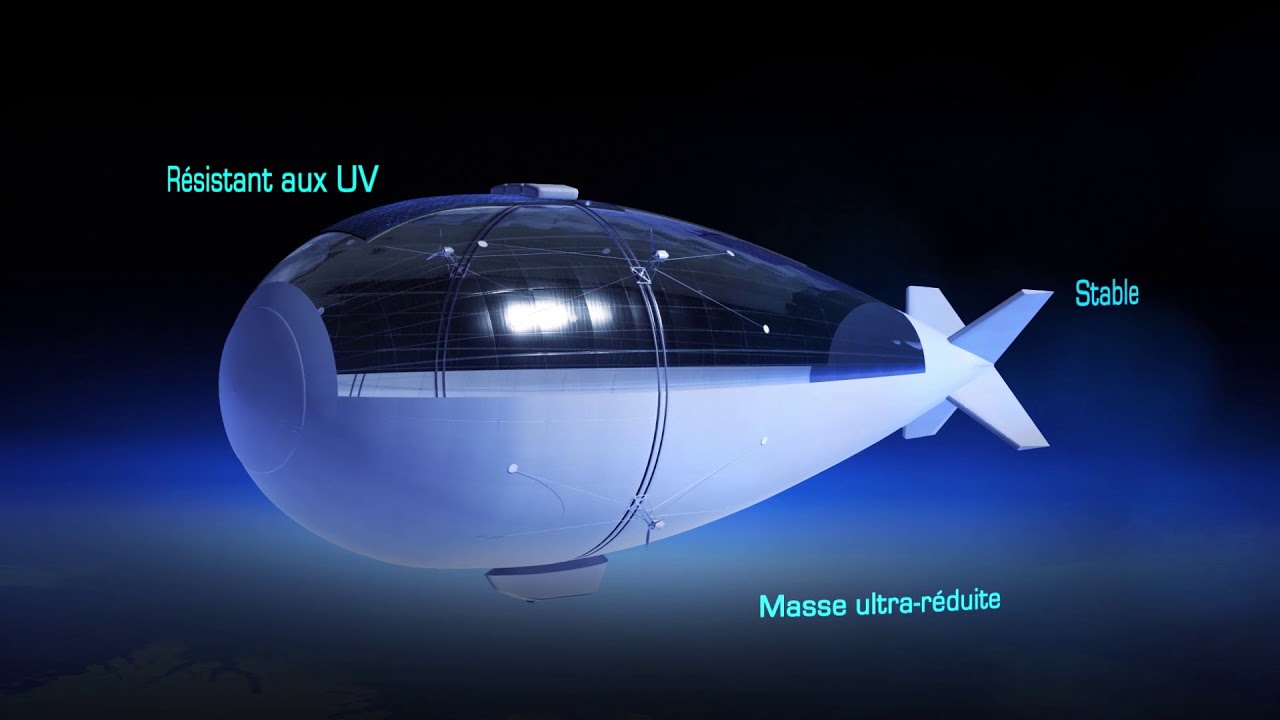
JPC. The Hindenburg was a tropospheric airship with a semi-rigid structure that carried passengers. Stratobus has an envelope made of flexible materials, non-rigid on purpose, slightly over-pressurized, to reduce weight. Tremendous technological progress has been made on this envelope, specially developed for Stratobus. In fact, it comprises three envelopes with specific functions: two of them to contain the lifting gas, and the third made of a very strong carbon fiber fabric, the same as used on the sails of certain racing yachts. This technology, confirmed by Air Liquide, guarantees the security of the stratospheric platform, in relation to the risk of inflammable hydrogen. Furthermore, the envelope can be used with helium as well as hydrogen.
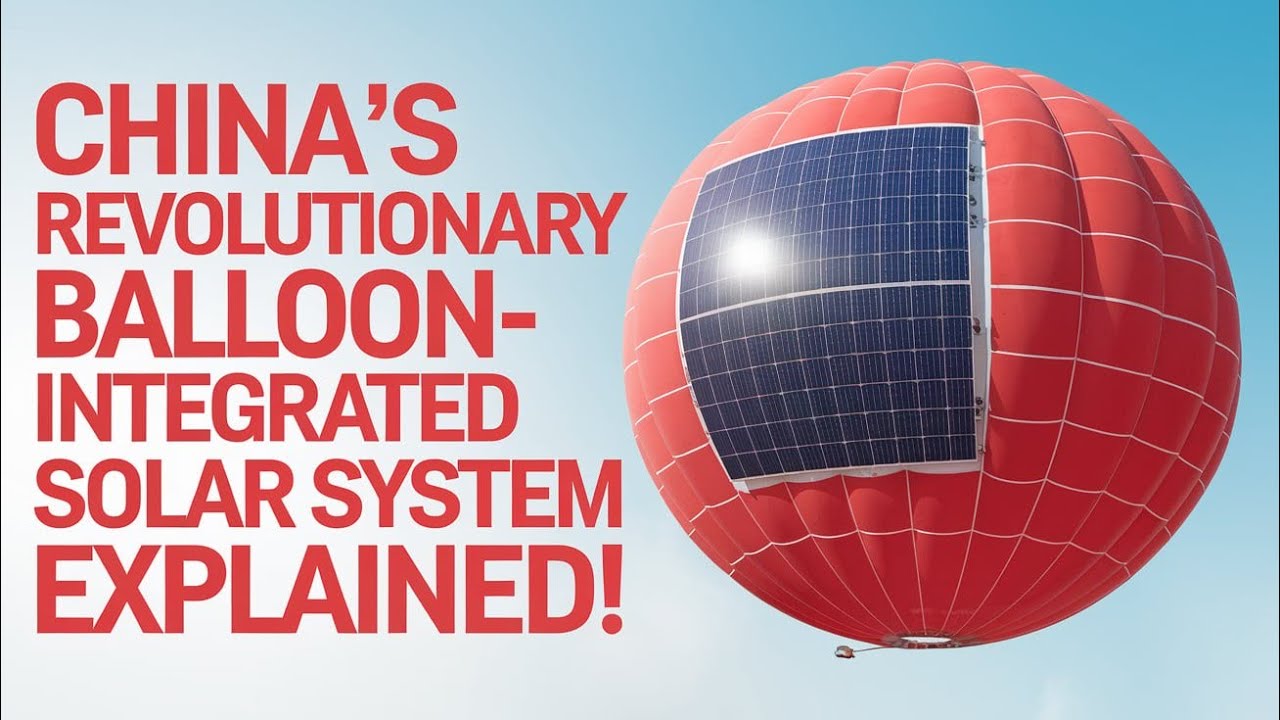
A spherical shape with a complete coating of photovoltaic film (and possibly a second transparent outer shell to retain heat longer after sunset, or additional layers preventing helium or hydrogen leaks) would almost totally eliminate the need to orient the balloon towards the sun, while the wind would allow the use of the Magnus effect for a yo-yo mode.
A diametrical (and vertical) motorized belt would ensure the rotation.
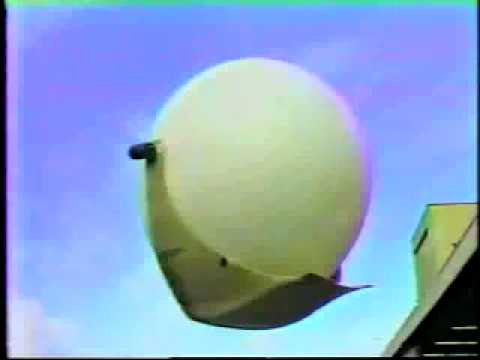
See also a spherical airchip and its device ensuring rotation on
See also the publication below about rotating sphere, and the figure 1 to start, then the figure 5.
The lift coefficient Cl looks to be far lower (about 0.3 or 0.4 among other close values, according to considered studies, Reynolds numbers, and spin ratio of about 0.5 to 1) than that of a cylindrically-shaped balloon (which perhaps remains more interesting, even at a low aspect ratio to favor an almost equal sun exposure at different angles). The drag coefficient Cd is significantly higher than the lift coefficient Cl.
The argument of avoiding ground congestion is up in the air, so to speak. And balloon-integrated solar system is not a new idea.
In the case of massive production, one should not neglect the interferences with the shades on the ground, which can sometimes also be an asset, for example in overheated desert areas.
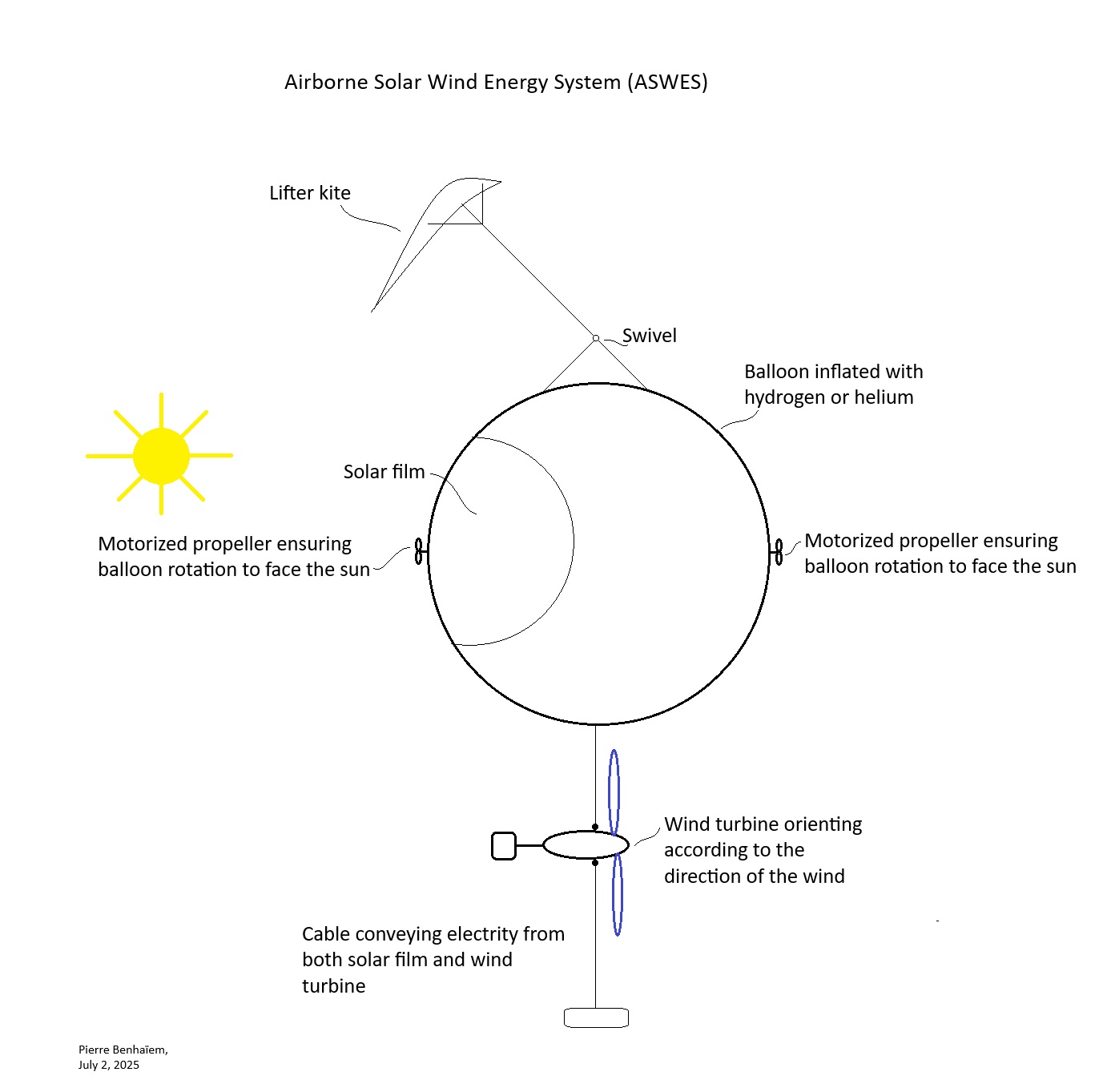
And if such balloons carry wind turbines, they become ASWES.
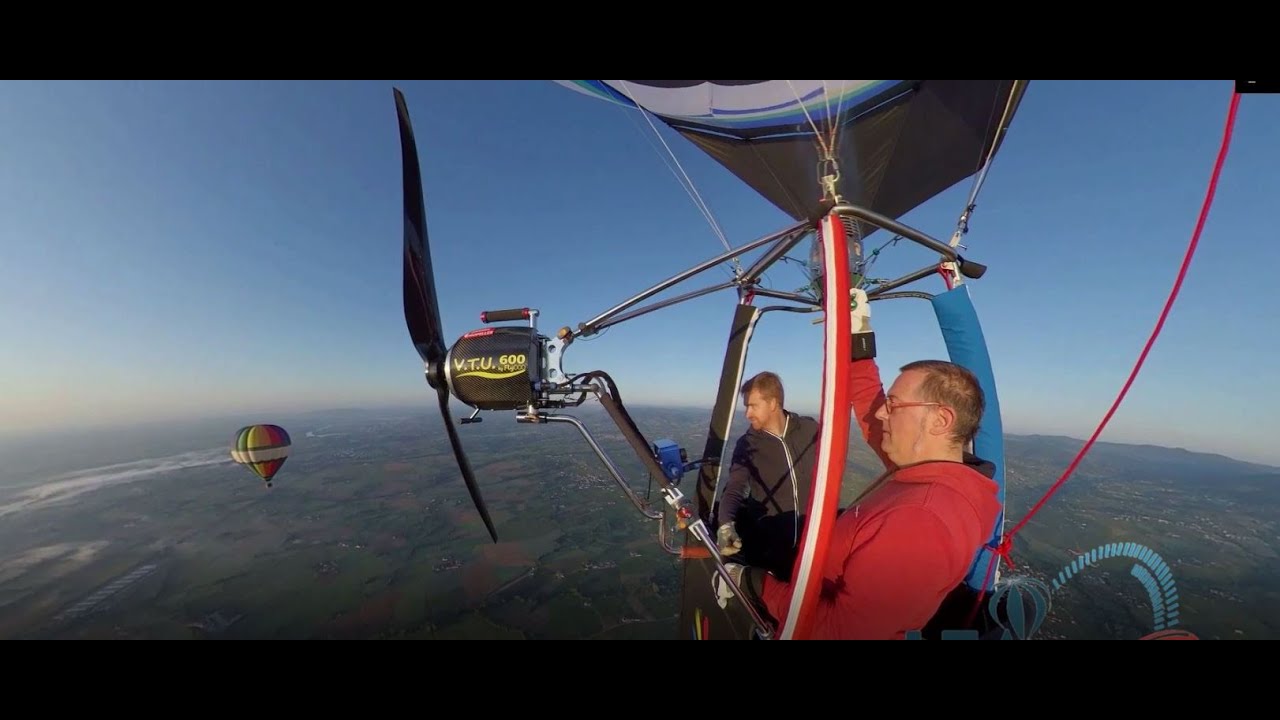
The suspended wind turbines of the ASWES could perhaps be used as engines (see the video below about a motorized propeller) to orient the balloon from time to time so that the solar film faces the sun.
Short preprint : Airborne Solar Wind Energy Systems (ASWES) (DOI: 10.13140/RG.2.2.25463.94887)
To add to that.
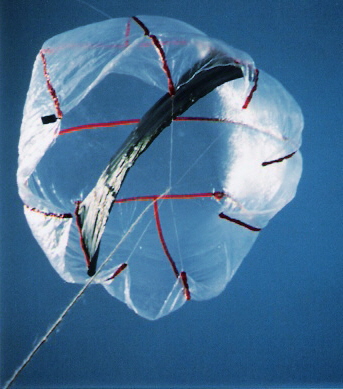
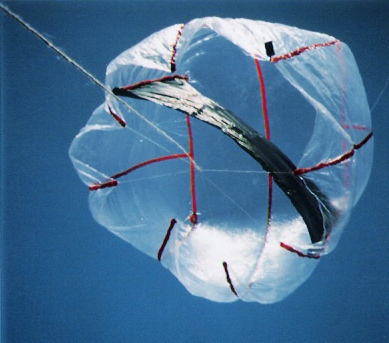
And also Transparent solar photovoltaic and thermal hot air balloon with transverse wall
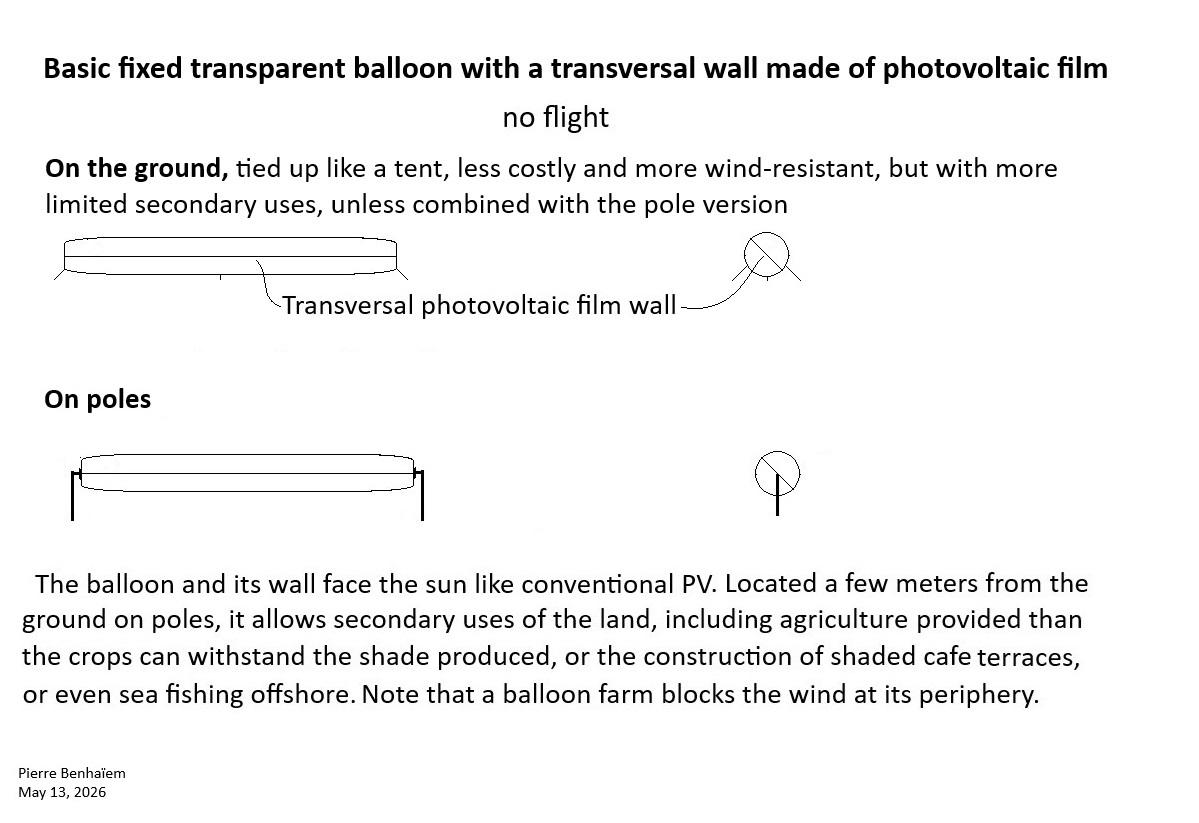
Implementation of air-filled photovoltaic balloons instead of heavy standard photovoltaic panels or expensive helium or flammable hydrogen. This inflatable system helps reduce costs and material usage, paving the way for portable systems, even in remote areas, and without the challenges posed by filling with lighter-than-air gases. This device is suitable for both power plants and private individuals.
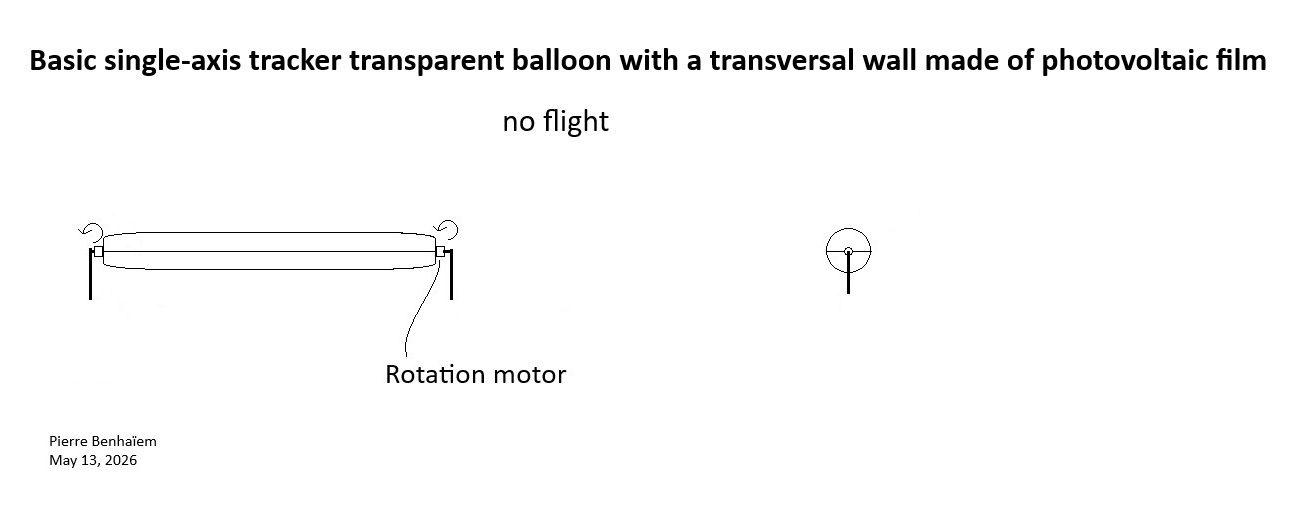
The basic version is a balloon that does not fly, attached to the ground like a tent (for portable usage), or between two poles with or without a tracking system.
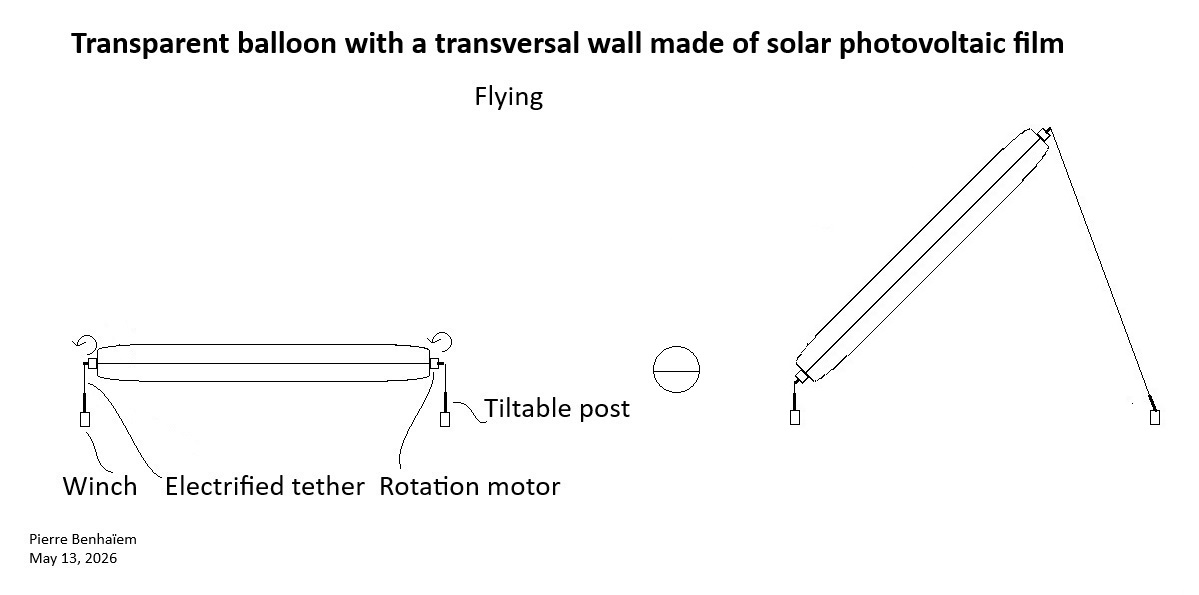
The flying version includes winch cables (which also carry the electricity generated) that allow the balloon to be tilted vertically, ensuring perfect orientation towards the sun. But its implementation is perhaps too difficult.