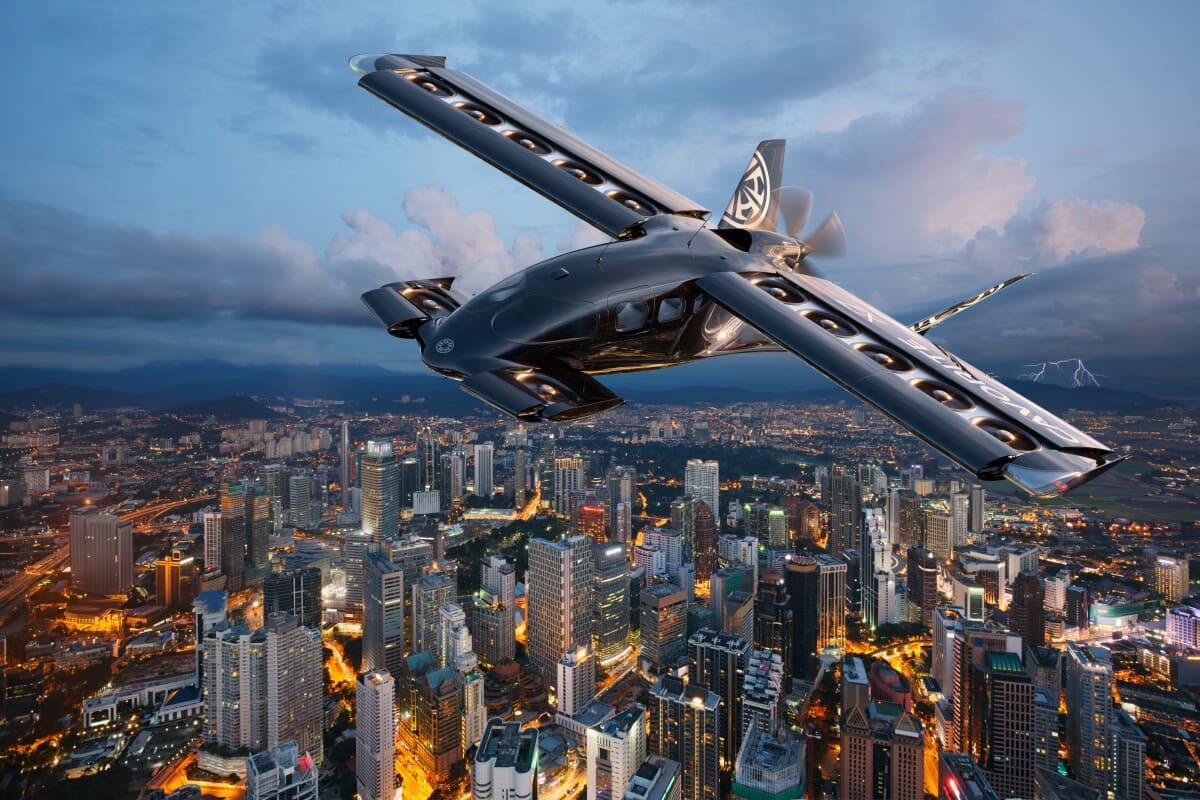
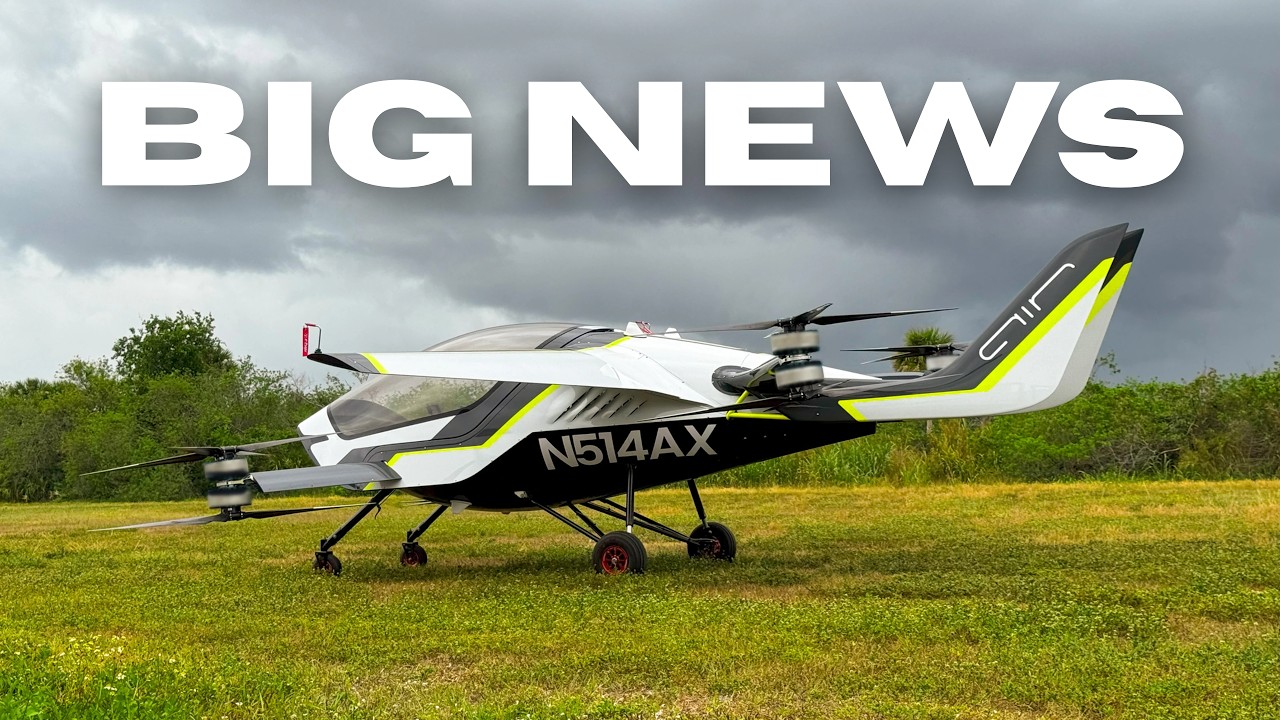
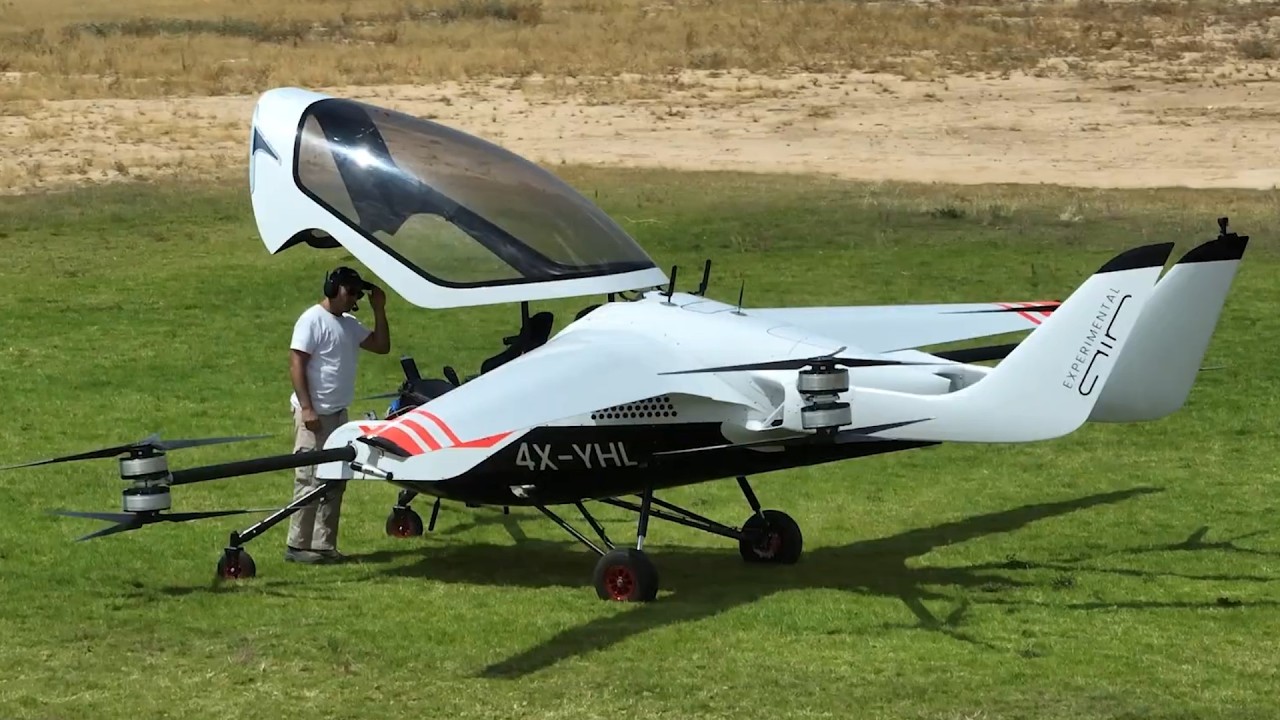
The risk of killing the passenger would be taken when other means of movement or not evacuating someone is even more dangerous. Soldiers wounded or trapped behind the front lines, accidents on mountain trails.
A more lucrative market is for “heavy” goods movement in the last few miles in locations that cannot be reached by road. They compete with mules, Sherpa porters or helicopters.
By “heavy” I mean in similar capacities with people carrying drones.
These risk tolerant niches should provide an environment for a more realistic assessment of reliability and chances of improving it.
Yeah, sounds good. Joby is already relegated to being funded by the military, yet it took them 17 years to fly from one airport to another. There is a saying in aviation design: “If it looks good, it will fly well.” There is no saying of. “If it sounds good, it will fly well.”
The Joby machine looks like it could have been invented by cartoonist Rube Goldberg or maybe Dr. Suess. Not sleek, but rather way too busy and complicated. Let’s see where it goes from here, after 17 years of no actual use whatsoever.
Nice to see their skeptical tone for a change. It can fly one person for 20 minutes at 50 mph. They note a previous flying motorcycle from the same company last year, which never happened…
It all sounds good, as long as you only accept what the promoters say - as usual…
The latest iteration is to reduce the number of fans, and enlarge them. (This means going toward a regular helicopter.) Interestingly, the design calls for covers to slide over the fans for forward flight, powered by a separate gas-powered rear propeller. Not sure how a failure of the covers to slide properly might affect safety. Anyway, is there anyone here the least bit skeptical of all these so-similar drone-like aircraft attempts? Any guesses as to why, after a decade of press-releases, nobody is yet riding to the airport in one? Let’s remember. the stated date for full service has always been 2025, and the major player is Joby, a former AWE “leader”… Could the lack of EVTOL success be similar to whatever reason nobody is making energy using kites? Can it be coincidental that the supposed “leader” in EVTOL started out in the aero space as a “leader” in AWE???
An interesting feature: the wing pitch angle is calculated so that the wing produces its lift when the aircraft is in translational flight, being then tilted forward, with the rotors also tilted forward and operating like a helicopter rotor. Therefore, there is no need to use the complex mechanisms found in a helicopter, such like cyclic and collective controls: the rotors are fixed and the entire machine tilts forward during translational flight. This aircraft looks to be safer, because the total lift is distributed not on a single rotor (as with a helicopter) but on several rotors and the airplane wing.
EVTOL is therefore following a promising, albeit difficult, trajectory. The same may eventually be true for AWE in terms of electricity production.
Nobody is taking a ride in these to the airport. It’s story reminds me of Skysails - “in production” but “sales” are limited to one or two prototypes. And these two supposed “sales” units likely have “issues”…
Limited range was one main reason why the A5 failed. Also, rising costs to the point that they priced themselves out of the market: You could buy a much better, faster aircraft with much more range, for less money. And the Icon A5 was not even electric!
Electric aircraft sound great until you want to fly for more than a half-hour. which is just about enough time to take off, get up to altitude, descend, then land back where you started. Batteries are heavy, whereas aircraft need to be lightweight.
One main reason EVTOLs seldom if ever get certified is a requirement for a reserve capacity to remain airborne for something like a half-hour, at the end of a flight, before landing. That’s to allow a diversion to another airport if landing at the first-choice airport suddenly becomes impossible for any reason, such as an accident or runway obstructions, excessive traffic, bad weather, etc. Or if a first or second landing attempt fail, multiple “go-arounds” are necessary, requiring extended flight duration time (extra “fuel” onboard).
Most EVTOL companies were running on fumes, waiting for batteries to suddenly lose most of their weight. That never happened.
I think it was 2017 when all the EVTOL companies were promising rides to the airport by 2020. The story is getting old. The laws pf physics are strictly enforced by Mother Nature. New aircraft models seldom attain certification. The cost is great, not supported by the limited market size.
The EVTOL aircraft whose website I linked to isn’t designed for flying to an airport, but rather for flying in coastal areas with islands, and they can be found all over the world. See the examples on the website. There are many others. That’s the EVTOL market.
Oh yeah, islands. Like AWE, right? Islands. OK, sounds good, Islands are the EVTOL market. Or, maybe there actually is no EVTOL market, because nobody has a compelling EVTOL yet, despite decades of trying, or closer to a century, if we include early pioneers like Moller, with his multi-prop flying car..
Sorry Pierre, but with all respect to your dedicated research and interest, I’m gonna have to place that last statement about the market for EVTOLs being islands, in the category of treating a wish for the future as if it were a fact today.
Sounds more like just your idea today. And don’t forget, most islands you would want to land on have both marinas and harbors, as well as airports. No matter where you’d want to land an EVTOL, you’d need a lot of open space for all that flying debris from the intense downwash, far faster than that of a lighter-weight helicopter with more rotor area, which are available today. And why is nobody making electric helicopters? The batteries would be too heavy.