Hi Pierre:
We had a car dealer along the 405 Freeway down near Orange County and LA County, a few miles from the beach. It had an advertising blimp overhead, painted with a smiley-face to resemble a whale. Their TV ads would show the blimp, so you knew where the dealership was. This is an area with nearly perfect weather most of the time, not a lot of high winds. Of course, it was always difficult for me to drive by without wondering about the idea of hanging a wind turbine from such a blimp.
Having looked into buying advertising blimps, comparing:
-
Cost of buying a blimp
-
Cost of supplying helium
-
Turbine weight that could be supported
-
Ability of an advertising blimp to survive high winds
-
Cost of supplying ground anchors and tethers to stabilize the blimp
-
Cost and weight of a support structure for a turbine
-
Amount of electricity that could be generated from a turbine of a weight that could be lifted by a blimp of a given size
-
Cost and time spent maintaining the whole operation, adding helium, etc.
I determined that it would be better to support the turbine from a tower. More economical production of more power, with fewer problems.
At that time I could have bought an entry-level advertising blimp capable of lifting about 30 lbs for around $3000. A 30 lb. turbine was around $400, and produced about 300 Watts in a strong wind. If one took steps to make a lighter weight turbine, one might squeeze more power from a slightly larger turbine, but we also needed some sort of support structure to hang the turbine
To me, if one had a fully-functioning brain, one might consider why all the various radio and TV towers, antennae towers, etc. were not blimps instead? It would be hard for such a fully-functioning brain to not realize that the idea must have been considered and found to be unworkable, or else we’d already see some antennas supported by blimps, right? So the nonexistence of blimps used to support antennas anywhere I could think of suggested that such an idea might not be economical or practical, right?
So we’re already at the edge of realizing that lifting a turbine with a blimp instead of using a tower is very unlikely to be a good idea, right? Then we realize a fair-weather advertising blimp carrying its full weight capacity is going to be challenged by a windfarm-class wind resource, possibly needing beefier construction, which would cost more and support less weight.
So already the idea of economical energy production from a a helium blimp is looking very unlikely…
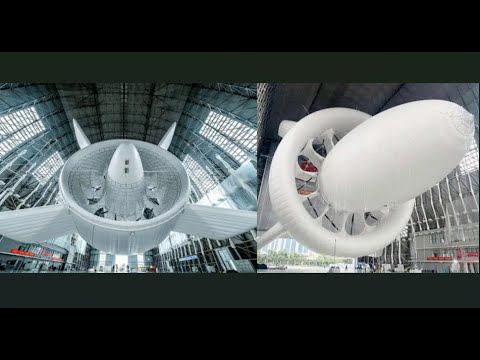
THEN we look into a blimp with a central tunnel that:
a) reduces volume (hence reducing lift) by 1/2
b) uses more material, weighing more, further reducing lift,
c) is less rigid than a regular blimp, so less able to survive strong winds
So a hollow tunnel blimp, assumed to accelerate the wind, will weigh more, while providing less lift, and have less strength. Hmmm… This idea is looking worse and worse, without building anything at all.
SEEING photos of the frail, floppy-looking Altaeros tunnel-blimp suggested to anyone with experience in high winds, that it could not survive a windfarm-class wind resource. To me, it appeared that any wind strong enough to produce a good amount of electricity would cause structural problems with the blimp. That was why I declared that their statements of powering a remote village in Alaska were most likely false.
These are the reasons I so quickly dismissed Altaeros as a viable AWE candidate.
Now on the other hand, it would seem natural fpr some team to at least TRY hanging a turbine from a blimp or kite, but the few feeble attempts to even just hang a turbine from a kite have been insufficient to take very seriously - model airplane propellers spinning toy electric motors… nobody is using them…
Apparently, without a central tunnel to distract from simple reality, none of the thousands of AWE people has seen a turbine hung from a blimp as worth the bother. That is where maybe people had fully-functional brains.
So I think it’s the introduction of the tunnel that is a sufficient distraction from reality that people keep taking this idea seriously. All it seems to require to fool people is ONE new feature, and logic and common sense go out the window.
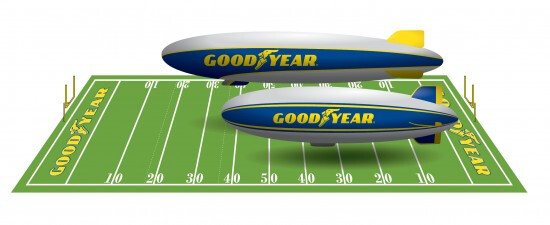
It’s quickly apparent that the illusion can only continue by exaggerating the output by an order of magnitude. Even then, if we assume the claimed numbers were correct, the economics STILL might not pencil out when one considers the cost of keeping a blimp in the air. Would a 1 MegaWatt turbine on a tower cost more than purchasing and operating the new Goodyear blimp? I’d say it is unlikely.
Then when we hear about the Altaeroses of the world “pivoting” to “providiing wifi” using a regular blimp with no tunnel, we again must pause and consider “Do you think nobody ever thought of that before? Really???”. As though, because this team from MIT was unable to comprehend the realities of their first failed endeavor, their NEXT “fallback, plan-B” idea would work great? That nobody had ever worked through the idea of supporting antennae using blimps? That sounds like a decent idea, but it is so simple, one must assume it would be donne everywhere by now if it were economical.
So on the one hand, thinking through the idea of a blimp supporting a wind turbine yields a negative probability of success, but on the other hand, how could the field of AWE “feel” like they had covered all the bases without at least giving it a try? So people are trying it and thereby actually disproving the cncept, while providing false information as to output to make it seem more like a success than a failure.