From this follows I think that the priorities for a hardware startup should be (1) stay alive, and (2) have a sustainable burn rate developing and making better (cheaper, more reliable) iterations of the product and manufacturing process over time.
This is different from what many of the AWE companies have done and are still doing, scaling up in size (and cost) instead, or no (obvious outward sign of) focusing on iterating on the product and manufacturing, instead seeming to focus on niche markets.
Both are probably a requirement of investors and potential customers. It would probably be better to try to find Patient capital - Wikipedia and apply for grants instead, if possible. I doubt it’s possible, especially if your burn rate gets too high.
The cost and rate of evolution is dependent I think on the cost of the factory to make the product, and the potential number of units sold over a time period, which should be a function of its price and the potential number of customers. AWE has an advantage over solar, wind, and batteries on the first point (which follow Wright’s Law). It can have an advantage over conventional wind on the second point.
In Wright’s Model, the learning curve function is defined as follows:
Wright’s Cumulative Average Model
In Wright’s Model, the learning curve function is defined as follows:
Y = aXb
where:
Y = the cumulative average time (or cost) per unit.
X = the cumulative number of units produced.
a = time (or cost) required to produce the first unit.
b = slope of the function when plotted on log-log paper.
= log of the learning rate/log of 2.
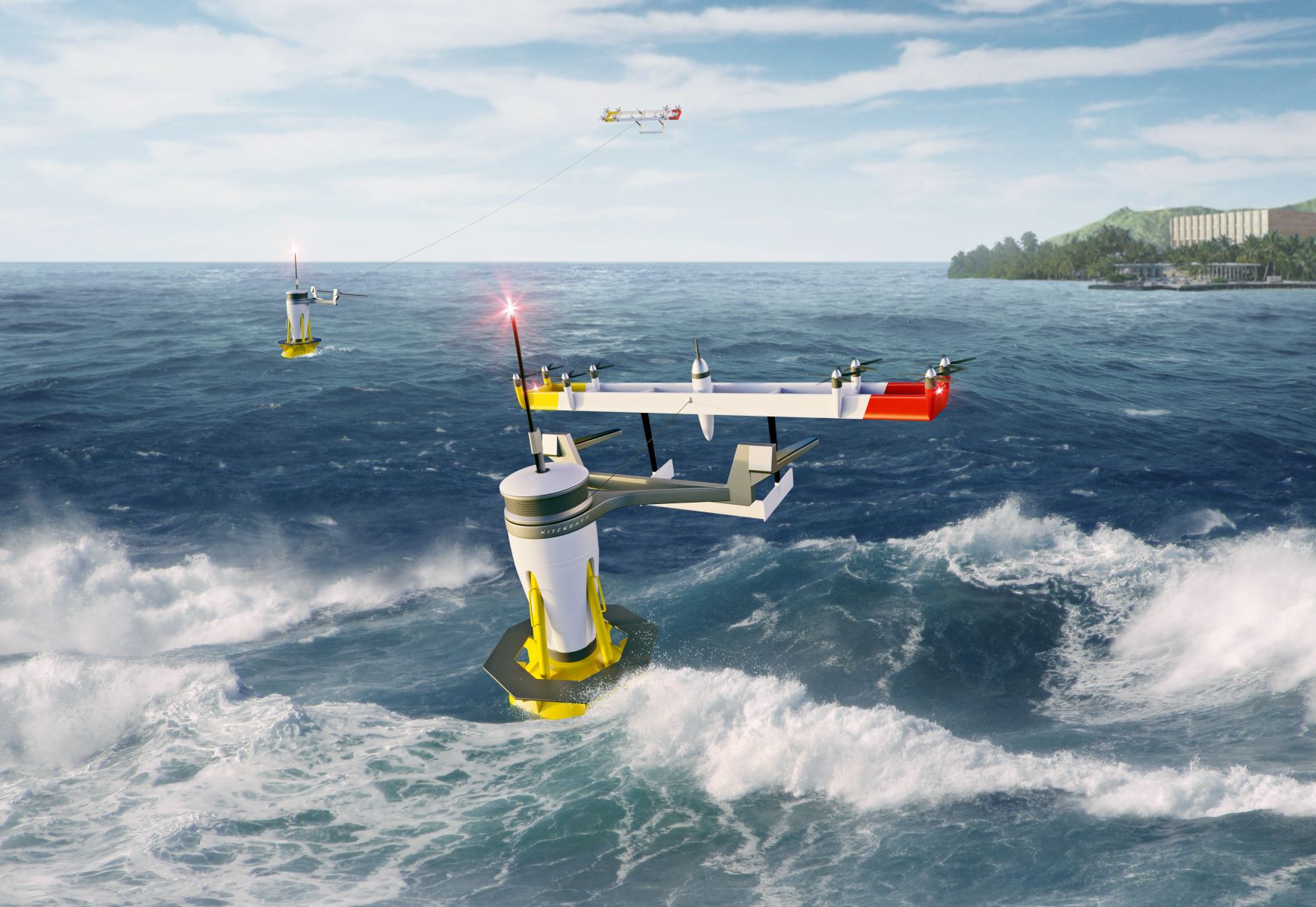
Kitekraft currently does not look to scaling up, nor focusing on niche market. However, Wright’s model does not seem to be able to apply.
To be able to apply Wright’s model, it may be preferable to favour one of the two pitfalls, because the existence of a market (then a niche market failing that) is imperative. Kiwee could be a starting point to elaborate a Wright’s model, assuming that the evolution would be achieved by different AWE companies since @Kitewinderpivoted.
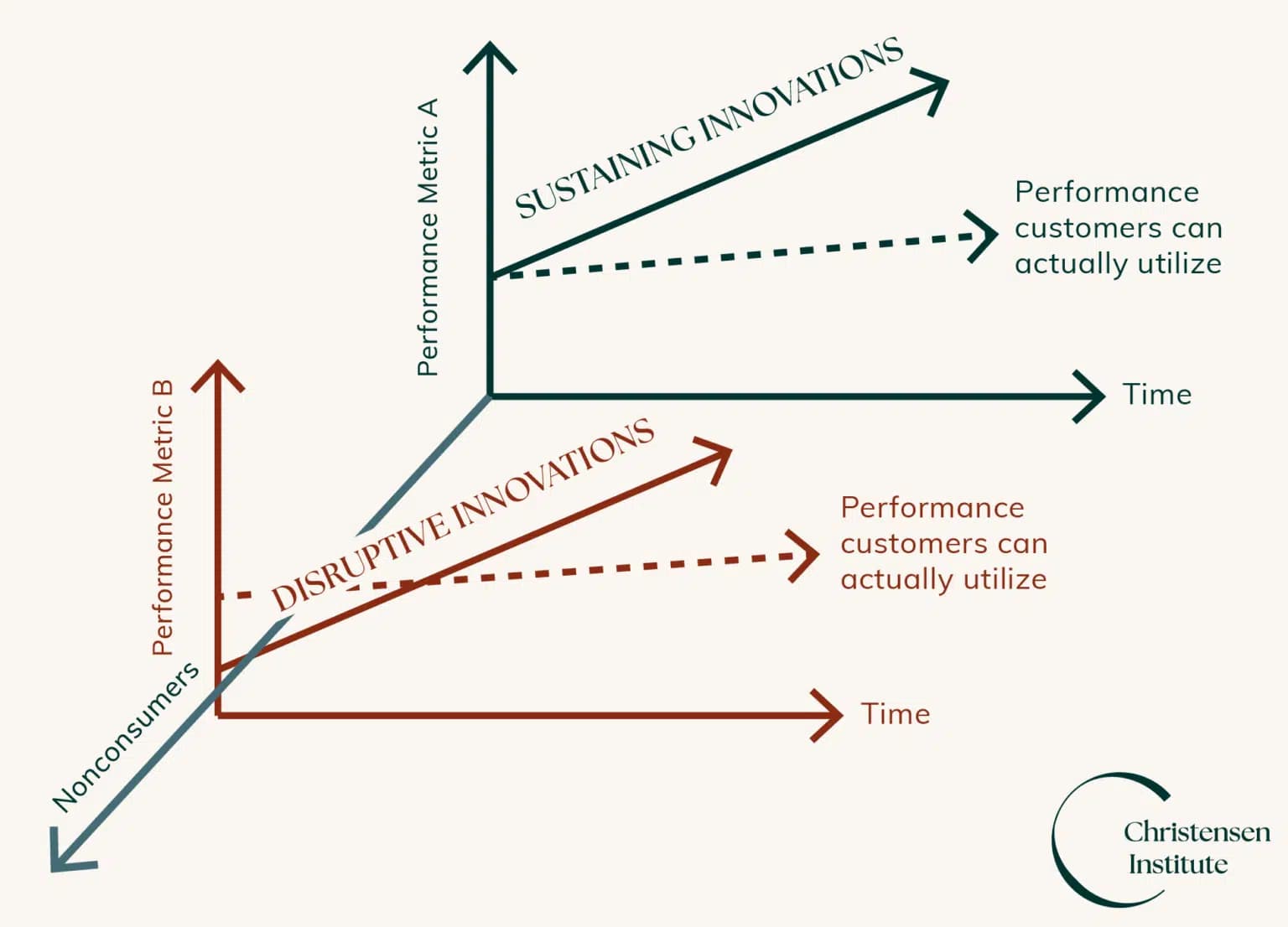
Focusing on a niche market, where your product makes more sense than the competition, is a good thing to do, from both the perspective of Wright’s Law and:
The idea is that AWE is somewhere on the solid red-brown line, hopefully close to or even beyond the dotted line.
Someone sufficiently motivated could make estimates and interview companies to arrive at ranges of guesses. Kitewinder’s product would be a data point.
No promise was made that the concept would be immediately useful to an unmotivated analyst. A motivated analyst will be able to add data points, if not now then when there are products for sale.
You’ll note however that I talk about what consequences I think the concept has for the hardware startup, as that is what I am interested in. That is actionable information now and is a different perspective on the thing.